Sold Out and Selling Out: What Happens to a Niche Brand When the Internet Goes Wild
You found them before anyone else did. Maybe it was a Reddit thread at midnight, or a friend who knew a friend, or some random post buried three pages deep in a search you weren't even really doing. You ordered something, it showed up, and it was exactly what you didn't know you needed. You told a few people. They got it. The community was small, tight, and honestly kind of perfect.
Then one day, a creator with four million followers posts an unboxing. The brand's website crashes. The waitlist stretches to six weeks. And suddenly, everyone is talking about the thing that used to be yours.
This is the reseller's dilemma — and it's not just about money.
The Moment Everything Changes
Niche brands earn loyalty in a specific way. They don't have massive ad budgets. They can't afford to be all things to all people. So they become one very specific thing to a very specific group, and that specificity is exactly what makes them worth caring about. The product quality tends to be higher because the margins are tighter and the customer base is unforgiving. The communication feels personal because it often is — a small team responding to DMs, a founder who actually shows up in the community Discord.
When a major influencer partnership or a mainstream retail deal enters the picture, all of that changes structurally, even if the brand swears it won't. It has to. You can't scale intimacy without losing some of it.
For longtime buyers, the first instinct is usually protectiveness. Not of the brand itself, but of what the brand represented — a shortcut to finding your people, a signal that you were paying attention when others weren't.
What Loyal Customers Are Actually Afraid Of
Let's be honest about what the fear really is, because it's not always what people say it is out loud.
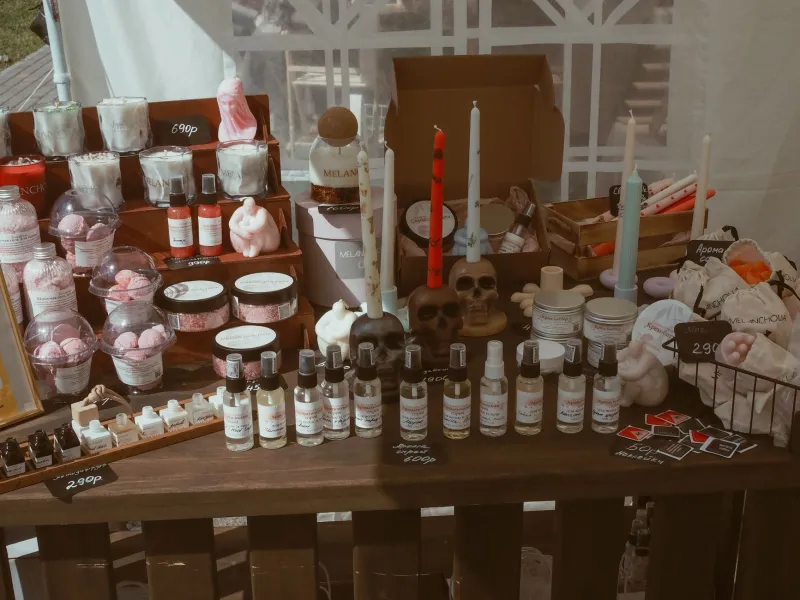
Some of it is quality anxiety, and that part is legitimate. When a small-batch candle company starts producing at scale to meet a sudden spike in demand, something often shifts. The sourcing changes. The handmade detail gets smoothed out. The thing that made it special gets optimized into something that's merely good. Customers who paid attention to the original version will notice, even if new buyers have nothing to compare it to.
But a lot of the tension is also about identity. Niche products function as social currency within their communities. If you were early to a brand, that early adoption says something about you — your taste, your network, your willingness to seek things out rather than wait for an algorithm to deliver them. When a TikTok deal democratizes access overnight, that signal gets diluted. The thing that made you look like someone who knows now just makes you look like someone who shops.
That's a harder thing to admit, but it's real, and it drives a lot of the backlash that brands experience after going viral.
Does the Money Actually Help?
Here's the counterargument, and it's worth sitting with: most niche brands are operating on razor-thin margins. The founder is probably underpaying themselves. The team is small and stretched. A major influencer deal or a retail partnership can mean the difference between survival and shutting down.
For the community that loves these brands, that's a genuinely complicated trade-off. Would you rather have the brand stay exactly as it is and potentially disappear in two years, or watch it grow into something slightly less personal but actually sustainable?
The brands that navigate this best tend to be transparent about it. They tell their original community what's happening and why. They create tiers — limited runs, early access, community exclusives — that give longtime buyers something the TikTok crowd doesn't automatically get. They treat their original audience like investors rather than obstacles.
The ones that fumble it usually do so by going quiet. They take the deal, scale up, and assume that the community will just adapt. Some will. A lot won't.
The Reseller Economy Complicates Everything
There's another layer here that doesn't get talked about enough: when a niche brand blows up, resellers move in fast. Limited drops that used to sell to actual fans start getting swept by bots and flippers. Secondary market prices spike. The people who actually want to use the product — the ones who built the community in the first place — get priced out or simply can't get access.
This creates a weird dynamic where the brand's success becomes a direct obstacle to the community's participation. The founders often feel awful about it. The original customers feel betrayed. And the resellers, frankly, don't care about any of that — they're just working an arbitrage opportunity.
Some brands have started implementing purchase verification, community-based queues, or lottery systems to push back against this. It's imperfect, but it signals that the brand remembers where it came from.
When Growth Is Actually Good
Not every mainstream moment is a betrayal. Some brands grow into their larger audience without losing the thing that made them worth following. They hire people who actually understand the community. They keep the founder visible and accessible. They use the new revenue to improve the product rather than just increase the margin.
And sometimes, the influx of new people genuinely strengthens the community — new voices, new use cases, new energy that the original group didn't even know it needed. Culture isn't static, and neither are the brands that reflect it.
The question worth asking isn't whether growth is good or bad in the abstract. It's whether the brand you love is growing toward something or just away from what it used to be. That distinction is usually pretty visible if you're paying attention.
What You Can Actually Do
If you're in the middle of watching one of your favorite niche brands go through this moment, a few things are worth considering.
First, give it time before you write it off. The first few months after a viral spike are chaotic for any small team. Quality control slips. Communication suffers. That doesn't always mean it's permanent.
Second, engage directly. Leave real feedback. Not just complaints in comment sections, but actual, specific input about what matters to you. Brands that are still connected to their community will listen.
Third, remember that your early loyalty has value. You helped build the reputation that made the brand worth partnering with in the first place. You don't have to feel guilty about expecting something in return — whether that's early access, honest communication, or just acknowledgment that you were there before the algorithm was.
And if the brand eventually becomes something you don't recognize anymore? You found it once. You'll find the next one too. That's kind of the whole point.