Paying More on Purpose: The Hidden Logic Behind Niche Market Prices
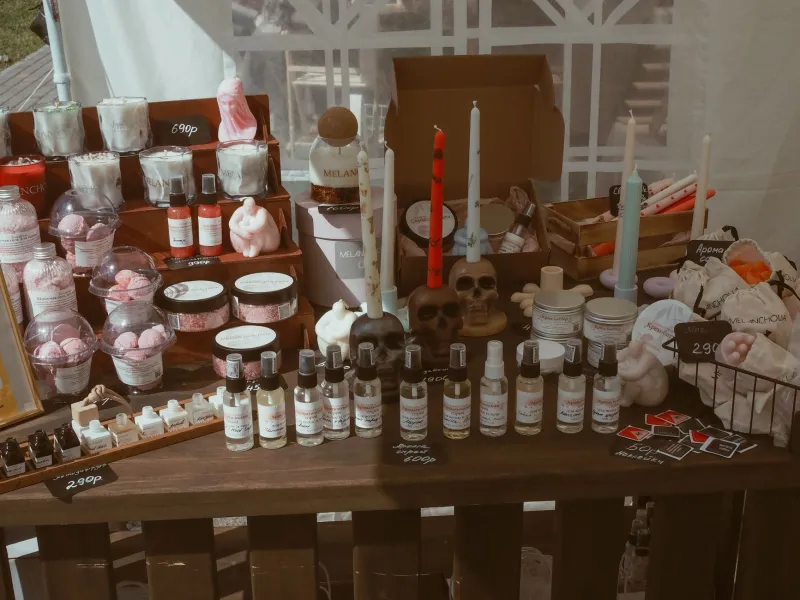
Let's get something out of the way first: yes, it costs more. The handmade pin from that indie enamel artist you follow costs three times what a mass-produced version would run you on a big-box site. The limited-run hoodie from that small streetwear collective? You could buy four fast-fashion alternatives for the same price. And the one-of-a-kind zine from that underground publishing crew? Don't even get started.
But here's the thing — people keep buying. And not reluctantly. They buy with a kind of conviction that's almost hard to explain to someone on the outside. So what's actually going on?
The Real Math Behind the Markup
When you buy from a niche creator or community-driven seller, you're not just paying for the object. You're paying for the entire chain of decisions that brought it into existence. That includes materials sourced with intention, production runs small enough to actually monitor quality, and — maybe most importantly — the years of obsession and expertise that went into knowing what the community actually wants.
Mass production works by flattening all of that. It optimizes for cost and scale, which means it also optimizes away the specificity that makes something genuinely interesting to a particular group of people. Niche goods don't have that luxury. They have to be right, or they won't sell at all. The audience is too knowledgeable, too discerning, and too connected to each other to let something mediocre slide.
That accountability is baked into the price.
Scarcity Isn't a Gimmick Here — It's the Point
In mainstream retail, artificial scarcity is a marketing trick. Limited drops, countdown timers, "only 3 left" notifications — it's all theater designed to manufacture urgency. But in genuine niche markets, scarcity is structural. There are only so many hours in a ceramicist's day. There are only so many units a two-person operation can produce without compromising what makes the product worth buying in the first place.
That's a fundamentally different relationship with limited supply. And buyers in these communities understand the difference intuitively. When something sells out and doesn't come back, it's not a stunt. It's just the reality of how small, craft-focused production works.
One collector who's been deep in the independent tabletop gaming scene for nearly a decade put it plainly: "I've paid $80 for a card game that most people have never heard of. But I also know that the designer playtested it for two years, the art was commissioned from someone in the community, and if I have a question, I can literally message the person who made it. That's not a $20 experience."
Trust Is a Currency — And It's Not Cheap to Earn
Niche communities run on reputation. There's no glossy ad campaign smoothing over a bad product. There's no PR team managing the fallout from a quality issue. When a small seller messes up, the community knows immediately, and the damage is real and lasting. That pressure creates a different kind of seller — one who's genuinely invested in getting it right because their entire presence in the space depends on it.
For buyers, that accountability translates into something valuable: trust. When you're purchasing from someone who has a track record within your community, who other members vouch for, who shows up in the same forums and group chats you do, you're operating with a level of confidence that no return policy from a giant retailer can replicate.
Sellers in these spaces talk about this dynamic constantly. A small-batch hot sauce maker who sells almost exclusively through a niche food community described it this way: "My customers know me. They've seen me post about my sourcing, my process, my failures. When they buy from me, they're not taking a leap of faith — they have actual information. That relationship is what I'm protecting when I price my product seriously."
The Barrier Is the Feature
Here's where things get a little counterintuitive. The premium price in niche markets isn't just a side effect of small-scale production — it's also a filter. And that filter does something important.
When something costs more, it tends to attract buyers who are genuinely invested. People who care enough to spend more on a thing usually care about that thing in a way that casual buyers don't. They're more likely to engage with the community around it, to treat the product with the respect it was made with, and to contribute to the culture that makes the niche worth belonging to in the first place.
This is one of the reasons why niche spaces often feel more cohesive and more authentic than broader interest groups. The shared experience of choosing to pay more — of opting into something most people would scroll past — creates a kind of implicit solidarity. You know something about someone just from the fact that they own the same obscure thing you do.
Lower the price, and you lower that barrier. Suddenly the space fills with people who found it on an algorithm, who don't know the backstory, who have no relationship with the creator or the community. That's not inherently bad, but it changes the character of the space in ways that are hard to reverse.
So Is It Worth It?
That depends entirely on what you're buying and why. If you just need a functional object at the lowest possible cost, niche markets are probably not your destination. But if you're looking for something that was made with genuine care, by someone who understands exactly what you're into, sold within a community that treats quality as non-negotiable — then the premium starts to look less like an obstacle and more like a promise.
And increasingly, people are recognizing that promise as one of the better deals available to them. In a marketplace flooded with options that all feel vaguely interchangeable, paying more for something that's genuinely specific to who you are and what you love is starting to feel like the rational choice.
The niche tax, it turns out, isn't a penalty. It's the entry fee for something worth being part of.