Why the Niche Stuff You Bought Five Years Ago Is Worth More Than Your 401(k) Right Now
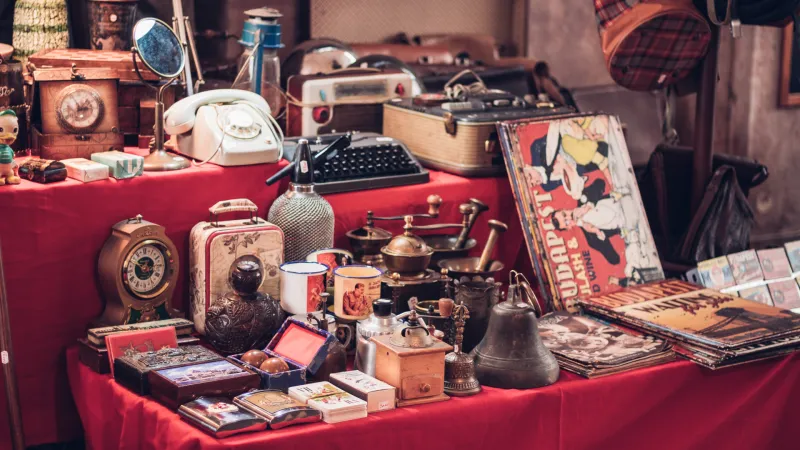
Photo: vintage collectibles resale market rare items collection, via cdn.gobankingrates.com
Let's be honest — nobody brags about buying a refrigerator that held its value. But ask a serious collector what they paid for a first-edition Pokémon booster box in 2003, and then ask them what it's worth today, and you'll understand why a growing number of Americans are treating their hobbies less like money pits and more like portfolios.
The resale economy is booming, and while platforms like eBay, StockX, and Whatnot are getting mainstream attention, the real story isn't being told loudly enough: niche items are quietly outrunning almost everything else on the secondary market.
Mass-Market Stuff Has a Dirty Little Secret
Here's what nobody tells you at checkout: most things you buy lose value the second they leave the store. That's especially true for mainstream consumer goods — tech gadgets, fast fashion, big-box furniture. The market is flooded with identical items, and buyers have endless options. Supply overwhelms demand, and prices crater.
Niche collectibles work on completely different physics. When a limited-edition colorway of a cult sneaker brand drops in a run of 500 pairs, there's a hard ceiling on supply. Demand, meanwhile, can grow indefinitely — especially as that brand's cultural footprint expands. The math gets interesting fast.
This isn't just about sneakers. Vintage Roland synthesizers have seen their prices triple over the last decade as a new generation of bedroom producers discovered them. Sealed copies of certain SNES games are selling for thousands. Hand-poured small-batch hot sauces from discontinued brands are trading hands on Facebook Marketplace for prices that would make your eyes water.
The Psychology Behind Why Niche Items Hold
There are a few forces working together here, and once you understand them, you start seeing value preservation opportunities everywhere.
Scarcity is obvious — but community is the real multiplier. When a tight-knit collector community forms around a product category, they become both the buyers and the authenticators. They know what's real, what's rare, and what's significant. That shared expertise creates a kind of internal price-setting mechanism that's surprisingly resilient to broader economic fluctuations.
Dave Kellerman, a Chicago-based collector who has been buying and selling vintage analog audio gear for over a decade, puts it plainly: "The people in this space know every variant of every piece of gear. There's no faking your way through a transaction. That knowledge protects prices because it protects authenticity."
There's also emotional attachment, which sounds soft but has real economic weight. Collectors buy back pieces of their past — or acquire artifacts from a culture they love. That emotional premium is baked into resale prices in ways that rational economic models don't always account for.
Not Everything Niche Is a Smart Buy
Here's where we have to pump the brakes, because this is where people get burned.
Niche status alone doesn't equal value retention. A product category needs a few specific ingredients to hold — or grow — its resale worth:
1. A passionate, organized community. If there are active forums, subreddits, Discord servers, or collector shows dedicated to the item, that's a good sign. Community infrastructure signals sustained demand.
2. Finite supply with no easy reproduction path. Vintage items, limited manufacturing runs, or products from defunct brands all qualify. If a company can just reprint or reissue something whenever demand spikes, you're not sitting on a gold mine — you're sitting on a time bomb.
3. Cultural momentum. Is the broader culture moving toward or away from this category? Vinyl records looked dead in 2000. Today, record store day is a national event. Reading cultural direction correctly is a skill, and it separates serious collectors from casual hoarders.
4. Condition and provenance. This one's non-negotiable. A sealed item in original packaging can be worth ten times the same item that's been opened and used. Documentation, original receipts, and verified history all add meaningful value.
Meanwhile, avoid buying into niche hype cycles driven by social media virality alone. When something goes from obscure to trending on TikTok overnight, the window for resale profit is usually already closing by the time most people notice.
Categories Worth Watching Right Now
For anyone looking to start building a collection with one eye on future value, a few categories are generating real buzz in collector circles:
- Vintage computing hardware — original Macintosh units, early gaming peripherals, and certain IBM machines are drawing serious collector interest as nostalgia for early tech culture deepens.
- Independent comic runs — not the big Marvel/DC stuff, but limited indie print runs from underground publishers are appreciating steadily.
- Cult streetwear from defunct or regional brands — pieces from brands that never went national but had devoted local followings are increasingly valuable as those communities age into buying power.
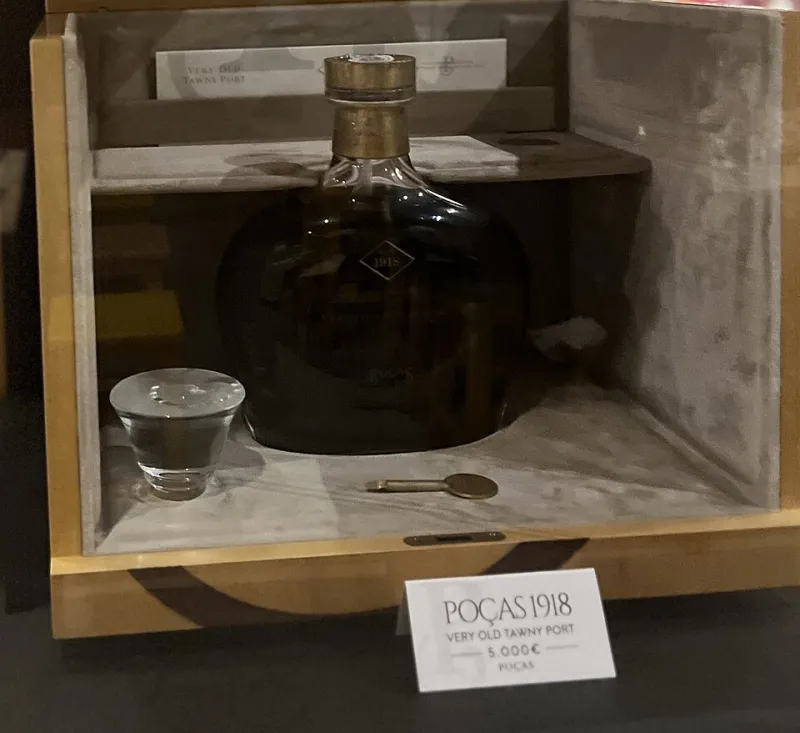
- Specialty food and beverage memorabilia — discontinued hot sauces, rare whiskey bottlings, and limited craft beer releases occupy a surprisingly active collector market.
Building Knowledge Is the Actual Investment
Every serious resale winner will tell you the same thing: the knowledge came before the money. Understanding a category deeply — its history, its variants, its key players — is what lets you spot value before the rest of the market catches on.
That means spending time in communities, reading collector forums, attending swap meets and conventions, and just talking to people who've been in the game longer than you. The financial upside is real, but it's downstream of genuine passion and curiosity.
At Lezul Shop, we've always believed that the best communities are built around people who actually care — not people who are just chasing the bag. The beautiful thing about niche collecting is that those two things don't have to be mutually exclusive. When you go deep on something you love, the value tends to follow.