The Price of Belonging: How Niche Communities Turned Exclusivity Into a Revenue Model
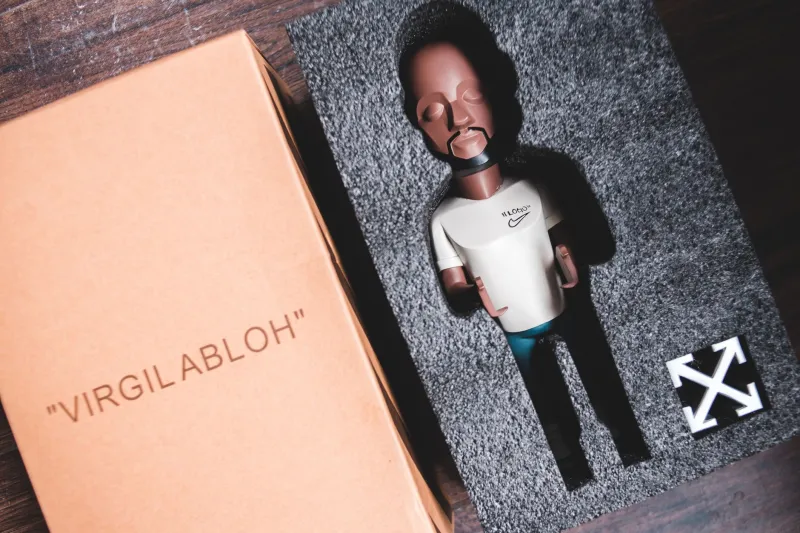
Let's say you find a small brand online — maybe through a Reddit thread, a Discord recommendation, or a friend who's way too deep into a very specific hobby. The products are cool. The community around them is even cooler. And then you see the price tag.
Triple what you'd pay anywhere else. Sometimes more.
You buy it anyway.
If that sounds familiar, you're not alone — and you're definitely not being irrational. What you're experiencing is what some people are starting to call the niche tax: the premium that gets baked into products not because of raw material costs or manufacturing complexity, but because of what owning the thing actually means inside a specific community. It's less about the object and more about what the object unlocks.
It Was Never Really About the Product
Here's the uncomfortable truth that most niche brands already know: the thing they're selling is rarely the main event. The limited-run enamel pin, the hand-numbered zine, the colorway that dropped for 48 hours and never came back — these aren't just products. They're tokens of cultural membership.
When you pay $90 for a pin that retails for $12 in materials and labor, you're not making a bad financial decision. You're making a social one. You're signaling to everyone who recognizes it that you were there, that you're in, that you understand the inside joke on the back of the packaging that nobody outside the community would even clock.
Brands in tight-knit collector spaces — whether that's sneakers, indie tabletop games, niche anime merch, or hyper-specific music subcultures — have quietly cracked the code on this. The gatekeeping isn't a bug. It's the product.
How the Gate Became the Gift
There's a classic move in niche retail that goes something like this: drop something with almost no warning, limit the quantity to an absurd degree, price it high enough to feel serious, and watch what happens.
What happens is chaos — in the best possible way for the brand.
People scramble. Waitlists form. Secondary markets explode. And suddenly the item isn't just a thing you own; it's a story you tell. I got the first-run version before they sold out in eleven minutes. That sentence is worth something. It carries social weight in communities where knowing — and having — matters.
Brands that understand this dynamic aren't just selling products. They're selling narrative access. The higher the price and the lower the availability, the more potent the story becomes. And the more potent the story, the more someone will pay to be part of it.
The Psychology of Willful Overpayment
Economists have a hard time explaining why rational adults consistently overpay for things they could get cheaper elsewhere. But community psychologists don't find it confusing at all.
Humans are wired to seek belonging. And in a fragmented, algorithm-driven world where it can feel nearly impossible to find your actual people, a niche community offers something genuinely rare: a room full of folks who care about exactly what you care about, at exactly the same depth you care about it.
When a brand sits at the center of that community — when their products are the shared language — buying in becomes an act of identity affirmation. You're not overpaying for a hoodie. You're paying for proof that you're the kind of person who gets it.
That's a powerful thing to sell. And once brands figure out they're selling it, prices tend to go in one direction.
When Gatekeeping Becomes the Whole Business Model
This is where things get interesting — and a little complicated.
Some brands start with a genuine product and a real community, and the premium pricing follows naturally from scarcity and demand. But increasingly, there are operations that have reverse-engineered the whole thing. They lead with exclusivity. The community is manufactured before the product even ships. The waitlist exists not because supply is limited, but because the feeling of a limited supply is the point.
It's not exactly dishonest — but it's not entirely transparent either. Consumers are paying for a sense of belonging that's been carefully constructed to feel organic. The velvet rope was always part of the business plan.
And here's the kicker: it still works. Even when people know the scarcity is engineered, the emotional pull of exclusivity doesn't really diminish. We know Black Friday is a marketing construct and we still set alarms for it. Knowing the trick doesn't make you immune to it.
The Collector's Dilemma
For serious collectors, the niche tax creates a genuinely uncomfortable tension. On one hand, high prices and limited access are what make the things they collect feel meaningful. If everyone had it, it wouldn't mean anything. On the other hand, as prices climb and gatekeeping intensifies, the community starts to feel less like a welcoming space and more like a velvet-rope club with an ever-rising cover charge.
Long-time community members in spaces like rare sneakers, limited-edition board games, or small-press art books often describe a creeping sense of displacement — a feeling that the culture they helped build is now priced out of reach for the next generation of fans who might've loved it just as much.
That tension doesn't have an easy resolution. Communities need new blood to stay alive, but exclusivity needs to stay real to stay valuable. It's a tightrope, and not every brand walks it well.
What You're Actually Getting for Your Money
So should you pay the niche tax? Honestly, that depends on what you're buying it for.
If you're buying because you genuinely love the thing and the community around it brings you real joy, then the premium might be completely worth it. Belonging to a group that gets you — that speaks your language, that shares your obsessions — has real value. The price of admission to that kind of connection isn't always absurd when you actually look at what you're getting.
If you're buying because you feel pressured to prove your legitimacy, or because you're chasing the social signal more than the actual product, it might be worth slowing down. The best niche communities are ones where your passion is the credential — not your purchase history.
And if you're a brand reading this? The communities that last are the ones that use premium pricing to sustain something real, not just to manufacture the feeling of something real. The gate matters. But what's behind it matters more.
The niche tax is real, it's not going away, and most of us will keep paying it. Just make sure you know exactly what you're buying when you do.